The Office That Travels:
Mobile Meeting Rooms and Cross-Border Logistics

Flexible workspaces deserve flexible logistics.

Flexible workspaces deserve flexible logistics, and that is precisely what PUREPROGRESS delivers, ensuring every cross-border deployment between Germany and Switzerland arrives on time, fully cleared, and ready to use.

What Are Mobile Meeting Room
and Who Uses Them

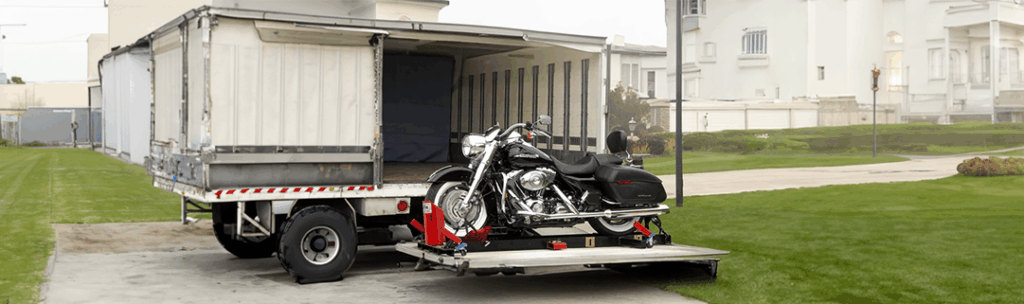
The way companies organise their meetings has changed significantly in recent years. Rather than committing to permanent office space or expensive venue rentals, businesses across Europe are turning to mobile meeting rooms as a flexible, cost-effective alternative. These are fully equipped, self-contained spaces built onto trailers or transportable units that can be deployed at any location, whether at a trade show, a company campus, or an open-air event. As hybrid work models become the norm, the demand for professional meeting spaces that travel to the team, rather than the other way around, continues to grow.

The range of industries using mobile meeting spaces is broad and growing. From technology companies and financial institutions to exhibition organisers and healthcare brands, organisations of all sizes are integrating mobile workspaces into their event and logistics strategies. They are particularly popular at trade fairs, roadshows, and multi-city corporate tours, where setting up a private, branded space quickly and repeatedly is a key operational requirement. As cross-border deployments become more common, especially between markets like Germany and Switzerland, the logistics and customs clearance behind each move become just as important as the space itself.

Contact us today and
we'll help you with your customs
questions & requests!

CUSTOMER SERVICE PUREPROGRESS GRAPHIC

The Logistical Challenge of
Moving a Room Across Borders

Transporting a mobile meeting room across international borders is not as straightforward as loading a trailer and hitting the road. Despite being within the European continent, the Germany-Switzerland corridor involves real customs procedures, since Switzerland is not a member of the European Union and operates under its own import and export regulations. Each unit must be correctly classified, documented, and declared before it can cross the border, and any gaps in the paperwork can lead to delays that directly impact a client’s event schedule. For companies that rely on precise deployment timelines, the customs clearance process is one of the most critical parts of the entire logistics chain.

This is where working with an experienced freight forwarder makes a measurable difference. Cross-border transport between Germany and Switzerland requires accurate tariff classification, proper customs declarations, and in many cases temporary import documentation, since the units are often returned after the event. A specialist in international freight forwarding and customs clearance ensures that every shipment is compliant with Swiss and German regulations from the outset, reducing the risk of holds, unexpected duties, or last-minute complications. For time-sensitive deployments, getting this part right is not optional.

Customs Clearance Switzerland

What Customs Actually Involves

EU

Import Rules

  • Switzerland operates under its own customs authority (BAZG) and is not part of the EU customs union, so all goods require a formal declaration at the border.
  • Each unit must be correctly classified using the appropriate HS code, with accurate details on its value and intended use.
  • A licensed customs broker or freight forwarder is required to handle the declaration on the Swiss side.

Temporary Admission

  • Units brought in for a specific event and returned afterward qualify for temporary admission, which suspends import duties for the duration of the stay.
  • This requires the correct documentation upfront, including a declared return date, often supported by an ATA Carnet.
  • If the unit is not re-exported within the agreed timeframe, full import duties become applicable.

Duties and Taxes

  • Switzerland applies its own duty rates and VAT (8.1% standard rate) independently of EU regulations.
  • Under a correctly processed temporary admission, both duty and VAT payments are suspended rather than charged outright.
  • Incomplete declarations can trigger unexpected costs, storage fees, or border delays that put the entire deployment schedule at risk.

Why a Specialist Freight Forwarder
Makes the Difference

Cross-border deployments run on tight timelines, and customs clearance is often the step that determines whether a mobile meeting room arrives ready for day one or sits waiting at the border. PUREPROGRESS handles the full customs process between Germany and Switzerland on both directions, from correct HS code classification and temporary admission filings to coordinating with the BAZG and managing return shipments. With established procedures for exactly this type of cross-border freight, the paperwork side of each deployment stays on schedule so the operational side can too.

Have a question or needs assistance? Get in touch with us!

Explore More Cases