
Inward Processing Customs
Why Swiss Businesses Are Sending Vehicles and Machines to Germany for Repair — And How to Do It Right
Many Swiss people already know the trick: drive to Constance, Weil am Rhein, Waldshut, or Singen, fill up the car, and head home with a full trunk of groceries bought at German prices. Lower costs, better selection. It just makes sense.
But what if the same logic applied to your vehicle or machine repair? It does. Swiss companies are increasingly sending vehicles, trucks, and industrial machinery across the border to Germany for repair, conversion, or refurbishment. They benefit from significantly lower material and labor costs, as well as access to specialists and workshop facilities that simply don’t exist in Switzerland. For certain models and niche refurbishments, Germany isn’t just cheaper. It’s the only option.
This cross-border repair process is officially known as inward processing (or aktive Veredelung in German), and when handled correctly, it allows Swiss businesses to avoid double customs duties and import taxes, keeping costs low and operations running smoothly.
But inward processing isn’t without its pitfalls. The customs regulations are precise, the paperwork matters, and mistakes can be costly. In this article, we’ll break down exactly how inward processing works for vehicles and machines, what it costs, how complex the process really is, and where the risks lie.
What Is Inward Processing (Active Refinement)
Inward processing, known in German as aktive Veredelung (AV), is an official customs procedure established under the Union Customs Code (UCC) of the European Union. In simple terms, it covers the temporary import of goods or vehicles from a non-EU country like Switzerland into the EU for processing, repair, or conversion. The key factor is that the goods gain value through that processing. That increased value is what triggers the procedure.
One important distinction worth clarifying: in this article, we are always referring to inward processing from the EU perspective, meaning processing that takes place in Germany. From the Swiss side, the same process is technically called outward processing. These are two names for the same journey, just viewed from opposite sides of the border. This matters because if you ever contact a customs office with questions, using the wrong term will lead to confusion and unhelpful answers. Always specify which direction the goods are traveling.
When Does Inward Processing Apply and When Does It Not?
Towbar fitting on a motorhome
You drive your motorhome to Germany to have a trailer coupling installed. Because the vehicle returns with a higher value, this is a clear case of inward processing. Both German and Swiss customs procedures must be declared in advance.
Routine vehicle service
A standard service like an oil change or tire replacement does not require inward processing, as these are life-sustaining measures that don’t increase the vehicle’s value. That said, adding new rims or accessories would change the situation immediately.
Transporting a broken engine
Bringing a machine engine to Germany for repair might seem like simple maintenance, but because it is transported as cargo rather than driven across the border, inward processing must be declared regardless.
Vehicle conversion or body modification
If you send a van to Germany to have it converted into a campervan or fitted with a custom loading system, this is always subject to inward processing. Any structural or functional modification that adds value to the vehicle requires a full customs declaration on both sides of the border.
What Happens If You Skip the Inward Processing Procedure?
It might be tempting to skip the process altogether given the paperwork involved. But the risks are serious.
Swiss customs have increasingly been checking whether vehicle modifications made abroad have been properly declared. These checks can happen routinely or directly at the border when re-entering Switzerland. A common scenario: a Swiss resident crosses back from Germany with a stamped shopping receipt, and a workshop appears on that same receipt. That can be enough to trigger a closer inspection.
If customs discovers that a vehicle was modified in Germany without the proper inward processing declaration, the owner may face criminal tax proceedings for removing goods from customs supervision without authorization. In the best case, this results in a fine. In the worst case, it leads to a formal criminal record, which can have consequences that extend well beyond the border crossing.
It is simply not worth the risk.
How the Inward Processing Procedure Works in Practice
Once it has been confirmed with the customs office or with us as your customs agency that inward processing applies to your case, the process is straightforward when handled correctly.
You provide us with all the necessary documents and information. We prepare everything and send you detailed instructions by email so you know exactly what to expect on the day of the transfer. You collect the documents from our office at the border, visit the customs office, and deposit the required security. A process with a unique registration number is then opened. You send us a scan or photo of that number along with the security deposit receipt so we can manage the re-export registration on your behalf.
While it is technically possible to handle the customs declaration yourself, we strongly advise against it. This is a formal customs and tax declaration. Errors in the forms, even unintentional ones, can result in being held at the border on the day of transfer or facing significant charges when the vehicle returns. Our team processes these procedures every week and knows exactly what is required. It is always better to leave it to a specialist.
Closing the Procedure and Returning to Switzerland
Inward processing, known in German as aktive Veredelung (AV), is an official customs procedure established under the Union Customs Code (UCC) of the European Union. In simple terms, it covers the temporary import of goods or vehicles from a non-EU country like Switzerland into the EU for processing, repair, or conversion. The key factor is that the goods gain value through that processing. That increased value is what triggers the procedure.
One important distinction worth clarifying: in this article, we are always referring to inward processing from the EU perspective, meaning processing that takes place in Germany. From the Swiss side, the same process is technically called outward processing. These are two names for the same journey, just viewed from opposite sides of the border. This matters because if you ever contact a customs office with questions, using the wrong term will lead to confusion and unhelpful answers. Always specify which direction the goods are traveling.

FAQs
How long does the inward processing procedure take?
The timeline depends on the complexity of the work being done in Germany. The customs declaration itself can be prepared quickly when all documents are provided on time. The process closes once the goods are approved for re-export and returned to Switzerland.
Can I handle the inward processing declaration myself?
Technically yes, but it is not recommended. This is a formal customs and tax declaration, and errors can result in delays at the border or unexpected charges. Since the rules are precise and the paperwork complex, it is always safer to work with an experienced customs agency that handles these procedures regularly.

Need help understanding more about air freight? Or do you need help with our air freight service? We handle all the necessary documentation, special care, and regulatory requirements to ensure a smooth journey.

Looking for reliable sea freight services? Our sea freight inquiry provides flexible and cost-effective solutions for shipping your goods globally. Whether it’s full container loads (FCL) or less-than-container loads (LCL), we ensure safe, timely, and efficient transport tailored to your needs. Get in touch for a customized sea freight solution that suits your business.
Ensure smooth and compliant entry into Switzerland with our specialized customs clearance services. We handle all documentation, tax calculations, and regulatory requirements to guarantee your goods move effortlessly through Swiss customs, saving you time and avoiding unnecessary costs.

Looking to transport your car safely and efficiently? Our car transport inquiry service provides tailored solutions for your vehicle’s journey, whether domestic or international. Get in touch today for a personalized quote and seamless service.
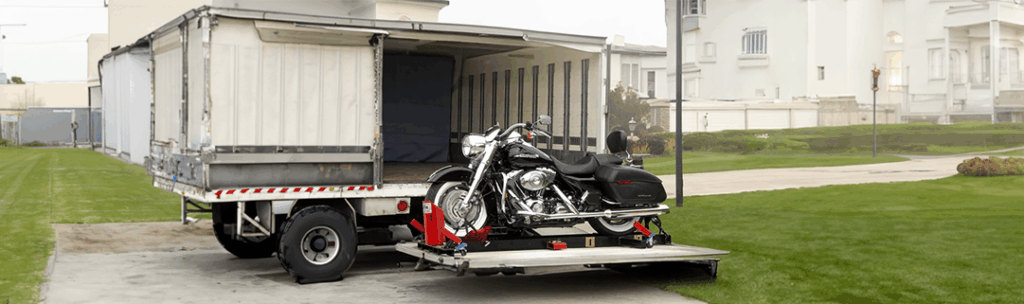
PUREPROGRESS offers secure and reliable motorcycle transport services, ensuring your bike is handled with care and delivered safely to its destination. Whether it’s a local move or international shipping, our team provides tailored solutions and professional support every step of the way.