Shipment Held at Customs: Causes & Release Process

Shipment Held at Customs? Here is What Happens Next and How to Get It Released

Having a shipment held at customs is one of the more stressful situations in international freight, especially when time-sensitive cargo is involved and the cause is not immediately clear. At PUREPROGRESS, it is a situation we deal with regularly on behalf of clients.

The Most Common Reasons
a Shipment Gets Held

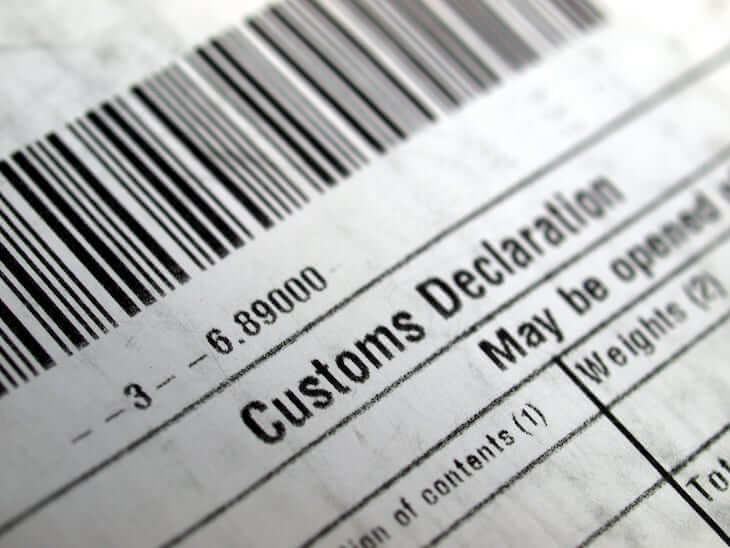
Shipments are typically held at customs when they do not satisfy export or import regulations, which most often comes down to missing or incomplete paperwork, or because customs authorities need more information before they can proceed. In practice, the most frequent triggers are documentation errors such as mismatched values on commercial invoices, incorrect or vague product descriptions, missing HS tariff codes, or a mismatch between the declared shipper and the actual consignee. Vague product names, generic descriptions, and incomplete addresses are among the details that can result in a shipment being held, delayed, or rejected at the border.

For shipments moving in and out of Switzerland specifically, the customs framework sits entirely outside the EU, meaning that even freight coming from a neighbouring EU country requires a complete and accurate customs declaration. Value discrepancies are another common trigger. When customs sees a declared value that appears inconsistent with the type of goods being shipped, the shipment is stopped until the figures can be verified through manual review. That review process adds time, and in some cases storage costs, that could have been avoided with accurate documentation from the start.

Contact us today and
we'll help you with your customs
questions & requests!

CUSTOMER SERVICE PUREPROGRESS GRAPHIC

What Actually Happens
While Your Goods Are Held

Once a shipment is flagged, it is typically moved to a bonded warehouse or customs storage facility while the hold is active. Customs officers generally visit multiple sites during the day and process releases in the afternoon, with the inspection and release process taking anywhere from 12 to 48 hours, and longer during high-traffic periods. During that window, the goods cannot be collected, forwarded, or delivered, and storage fees begin to accumulate depending on the facility and the duration of the hold.

The importer or their customs broker will usually receive a notification from the customs authority specifying what is missing or what needs to be clarified. The EU customs framework requires precision in documentation and grants customs authorities significant powers to detain goods that appear non-compliant, meaning a minor administrative oversight can result in the same physical detention as a more serious regulatory violation. Understanding that distinction matters because it affects how quickly the hold can be resolved and what steps need to be taken first.

The Steps Involved in Getting a Shipment Released

Customs Clearance Switzerland

Identify the exact reason for the hold

 Customs will communicate what is missing or needs clarification either directly to the importer or through the appointed freight forwarder. In most cases, officers need something specific before they can release the goods, whether that is a missing document, a clarification, or a correction, and once that is provided the situation can usually be resolved relatively quickly. Acting on that request promptly matters since delays in responding extend the hold and increase storage costs.

Submit the required documentation

Depending on the reason for the hold, the resolution might involve providing a corrected commercial invoice, proof of origin, additional product certification, or payment of outstanding import duties and VAT. For shipments under a T1 transit procedure or moving under a customs mandate, the broker handling the clearance coordinates directly with the customs office on the importer’s behalf.

Work through an appointed customs broker

Having a freight forwarder already familiar with the shipment and the relevant customs authority significantly shortens the back-and-forth that a hold typically involves. The EU customs framework grants authorities significant powers to detain goods that appear non-compliant, meaning even a minor administrative oversight can result in the same physical detention as a more serious regulatory violation, which is why having experienced representation in place from the start makes a real difference.

How to Reduce the Risk
of It Happening Again

Most customs holds are preventable. The underlying causes, inaccurate invoices, missing certificates, wrong tariff classifications, or incomplete consignee details, are documentation issues that can be caught before a shipment reaches the border with a structured pre-shipment check. For businesses that ship regularly across EU and non-EU borders, building that check into the dispatch process reduces the likelihood of holds significantly and keeps supply chains moving on schedule.

At PUREPROGRESS, customs clearance is handled with a documentation review before departure, covering the specific requirements of the route and the goods involved. Whether a shipment is moving between Germany and Switzerland, crossing into Eastern Europe, or involves more complex regulatory requirements such as inward processing or restricted goods categories, having the right paperwork prepared in advance is what keeps the process clean. A customs hold is rarely a dead end, but it is always easier to avoid than to resolve.

Have a question or needs assistance? Get in touch with us!

Explore More Cases